Residency proposalProposed concept
The Responsive Mind
A neuroadaptive immersive experience in which music, sound, projected visuals, and light respond to the person experiencing the work.
Art × Science × Technology × Human Experience
NeuroViu × Aerith Dawn explores the intersection of neuroscience, music, performance, immersive media, and responsive technology.
NeuroViu began as a neurotechnology and neural analytics research platform. Our artistic research explores another possibility: what happens when human signals become part of the creative process?
Through wearable sensing, immersive environments, music, performance, VR, and experimental digital media, we explore how technology can create more responsive relationships between people and artistic environments.
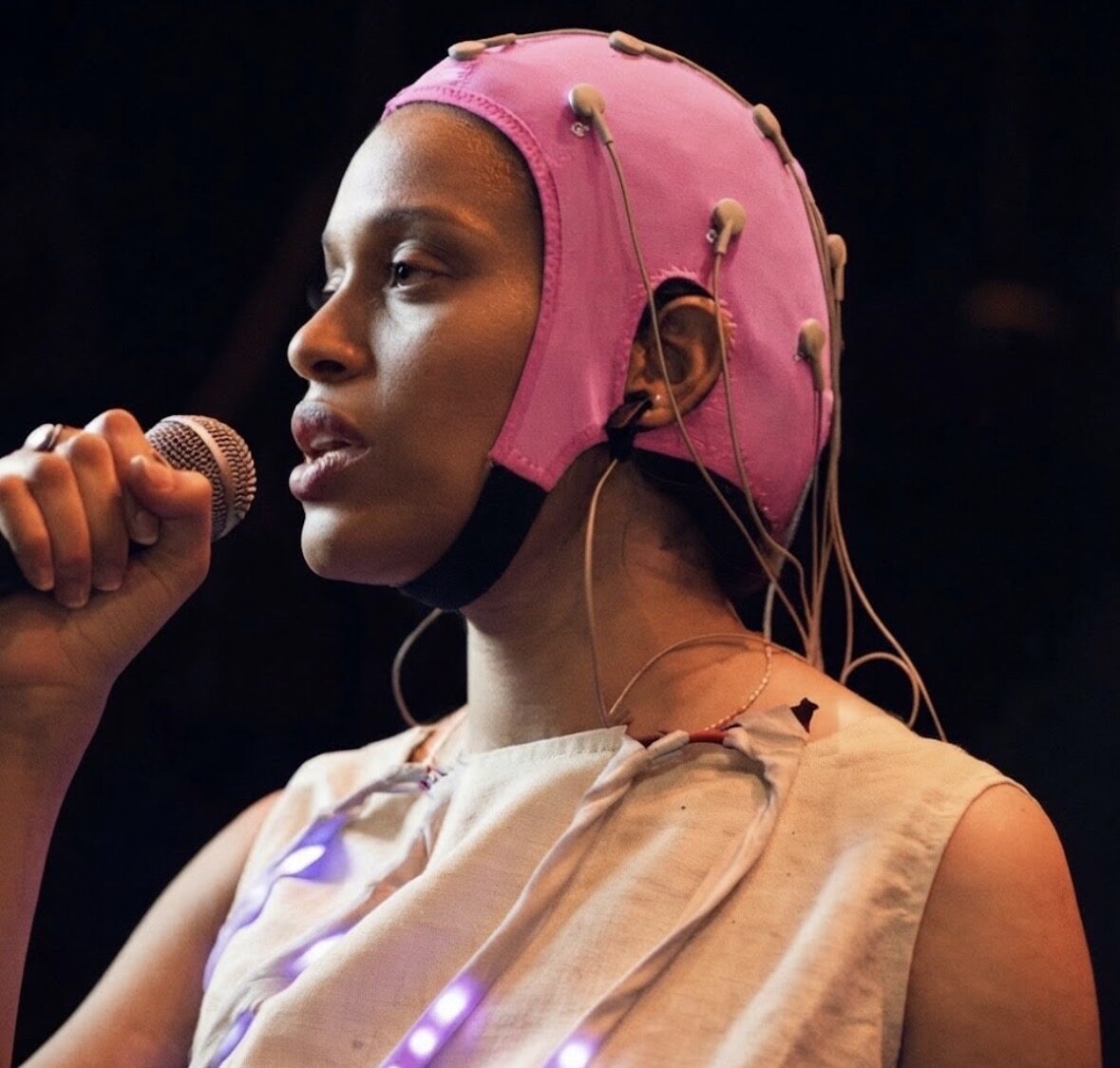
Each section and image is labeled by what it shows: documented work, prototypes, ongoing experimentation, or proposed concepts. Concept visualizations are illustrations, not photographs of finished work.
NeuroViu × Aerith Dawn brings together two sides of founder Ashlei Lewis’s practice: neurotechnology research and creative expression.
The work explores wearable EEG, neural analytics, AI, human-centered technology, and responsive systems.
The work expands into music, performance, visual storytelling, immersive media, and experimental audience experiences.
Together, these practices explore how scientific tools can become creative tools.
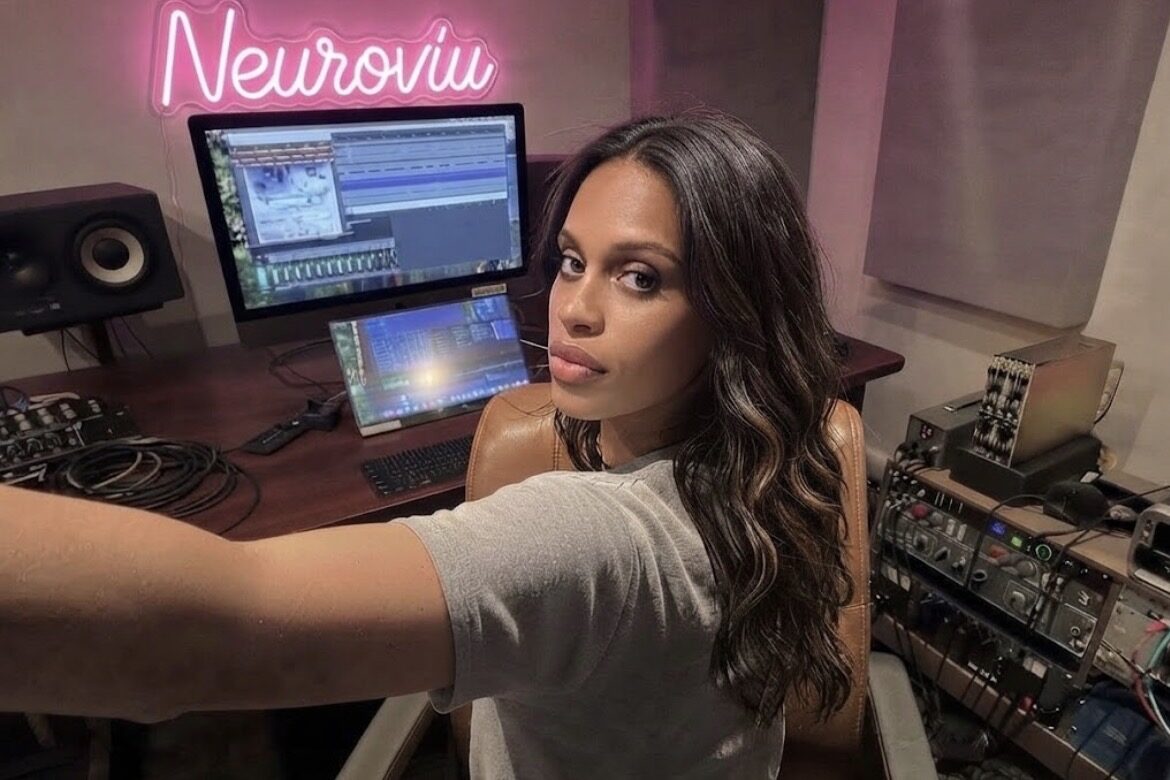
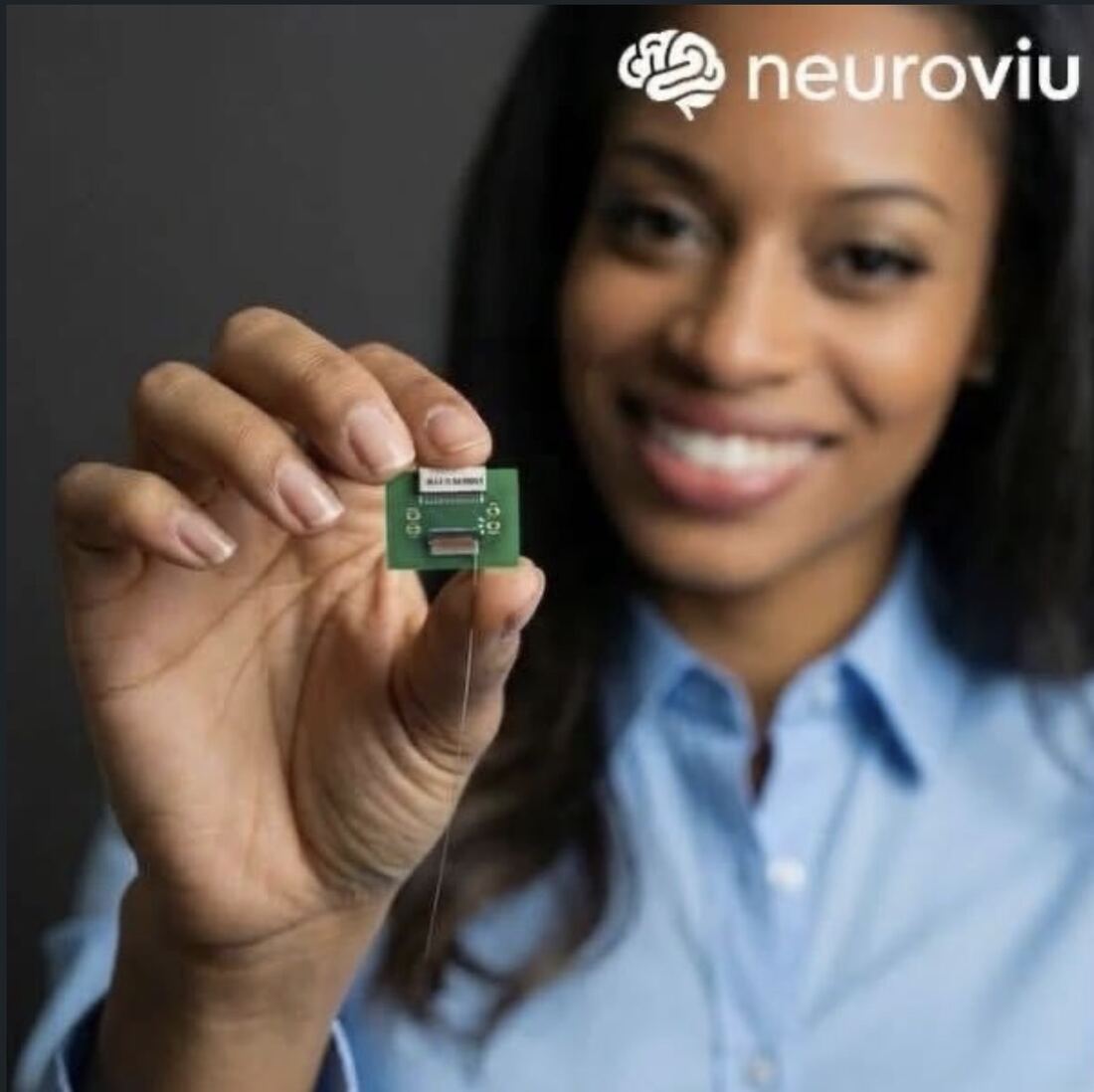
A Neuroadaptive Immersive Experience
The Responsive Mind is an immersive artistic research project exploring what happens when an artwork responds to the person experiencing it.
The proposed experience combines music, sound, projected or augmented visuals, spatial environments, and responsive technology.
Instead of presenting human signals as scientific measurements, the project explores how changing inputs might become creative material that influences sound, visual movement, light, atmosphere, or other elements of an immersive environment.
This is an experimental artistic concept. It is not a diagnostic or clinical application.
From sensing interface to creative interface
The Golden Square represents one physical expression of NeuroViu’s experimental sensing technology.
In an artistic context, the device is not the artwork itself. It can become an interface between participant and environment.
The creative process begins when human input is translated into artistic parameters.
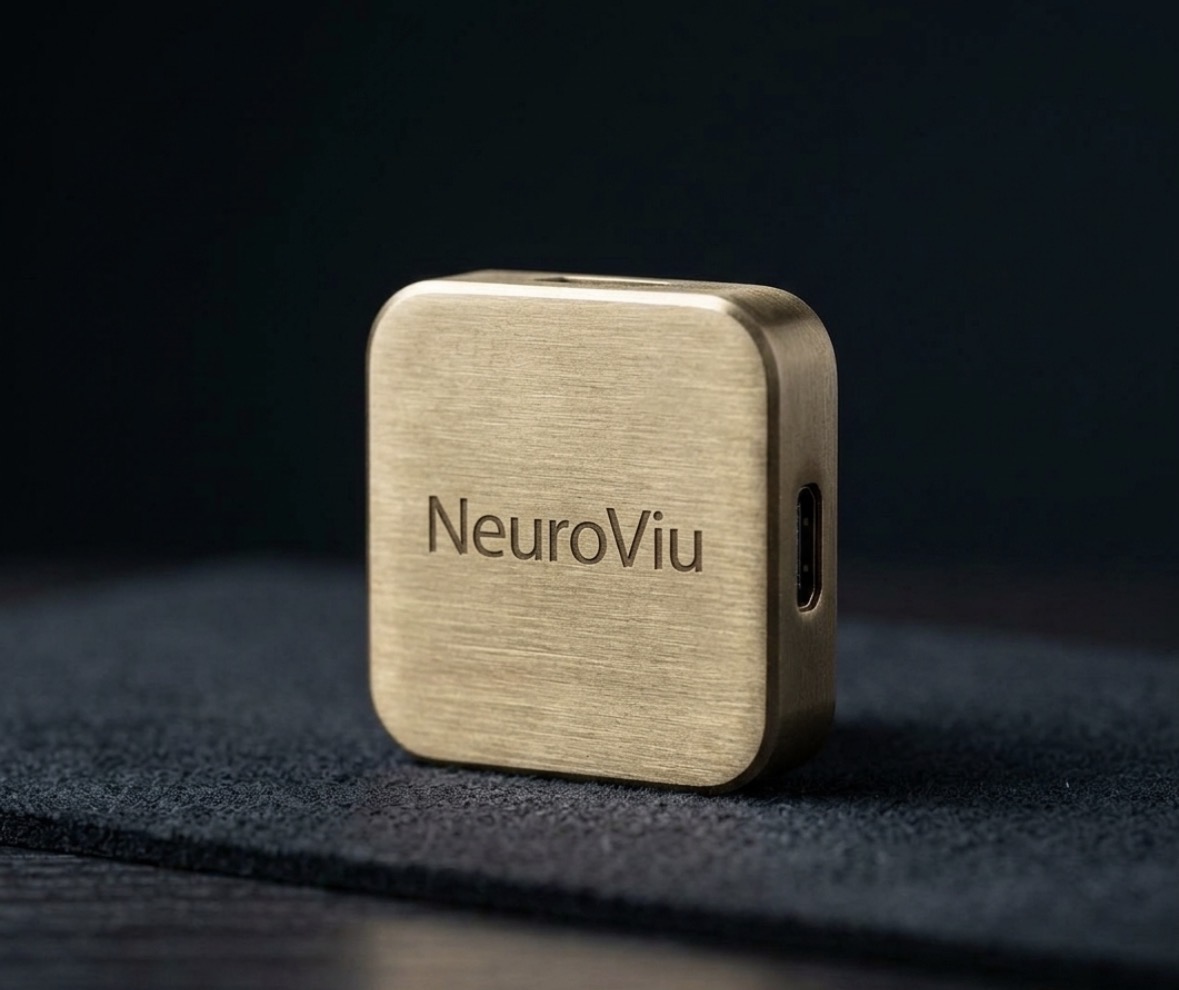
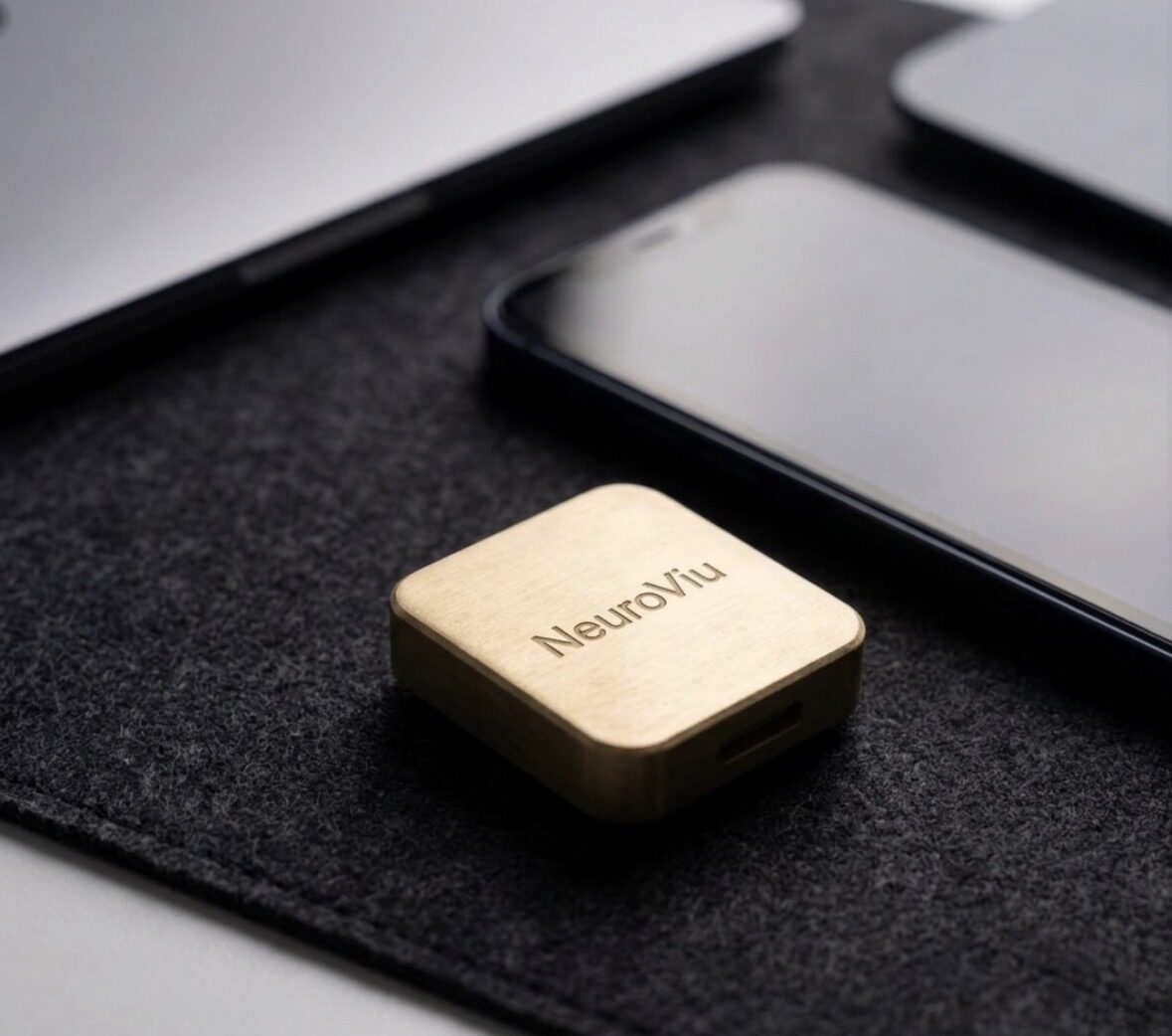
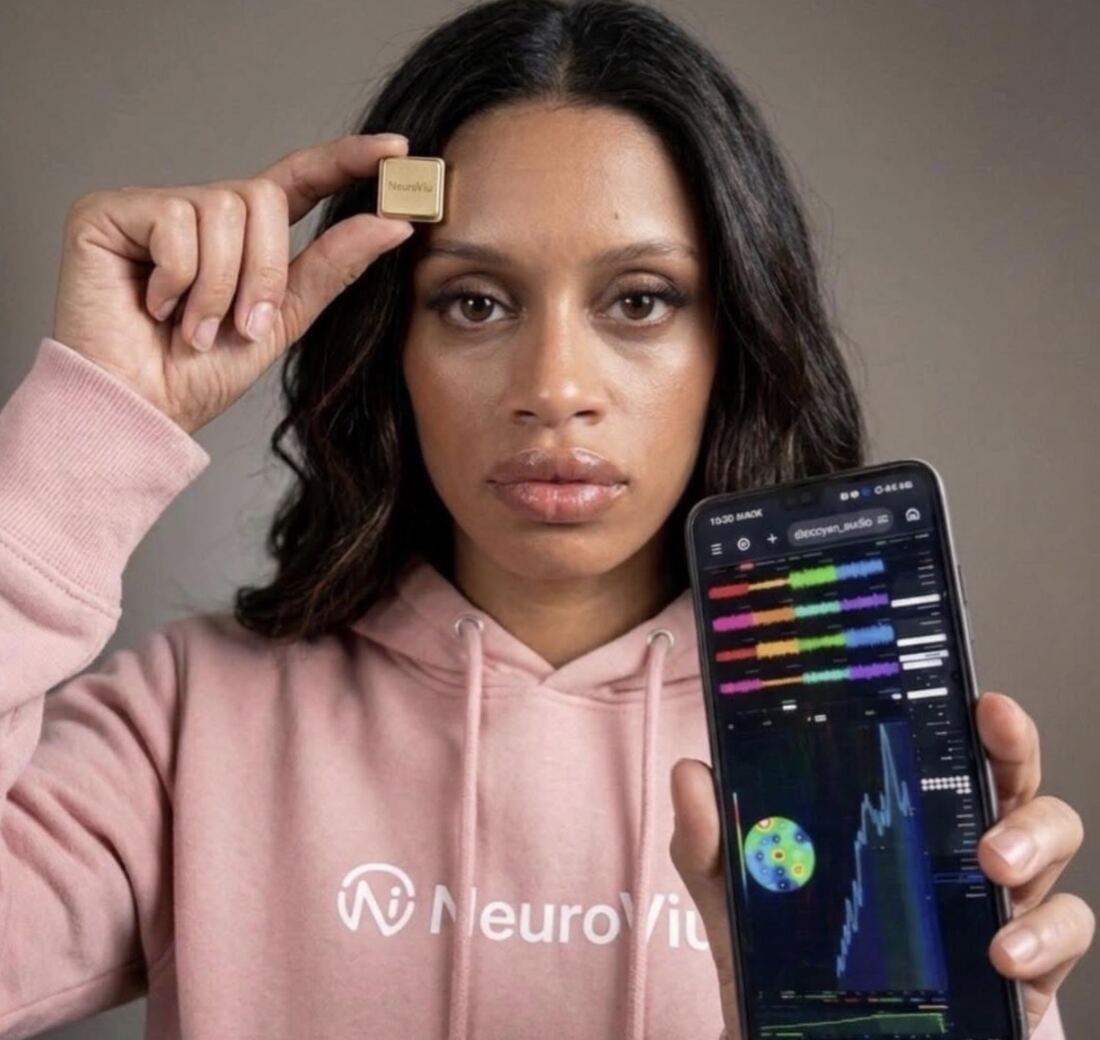
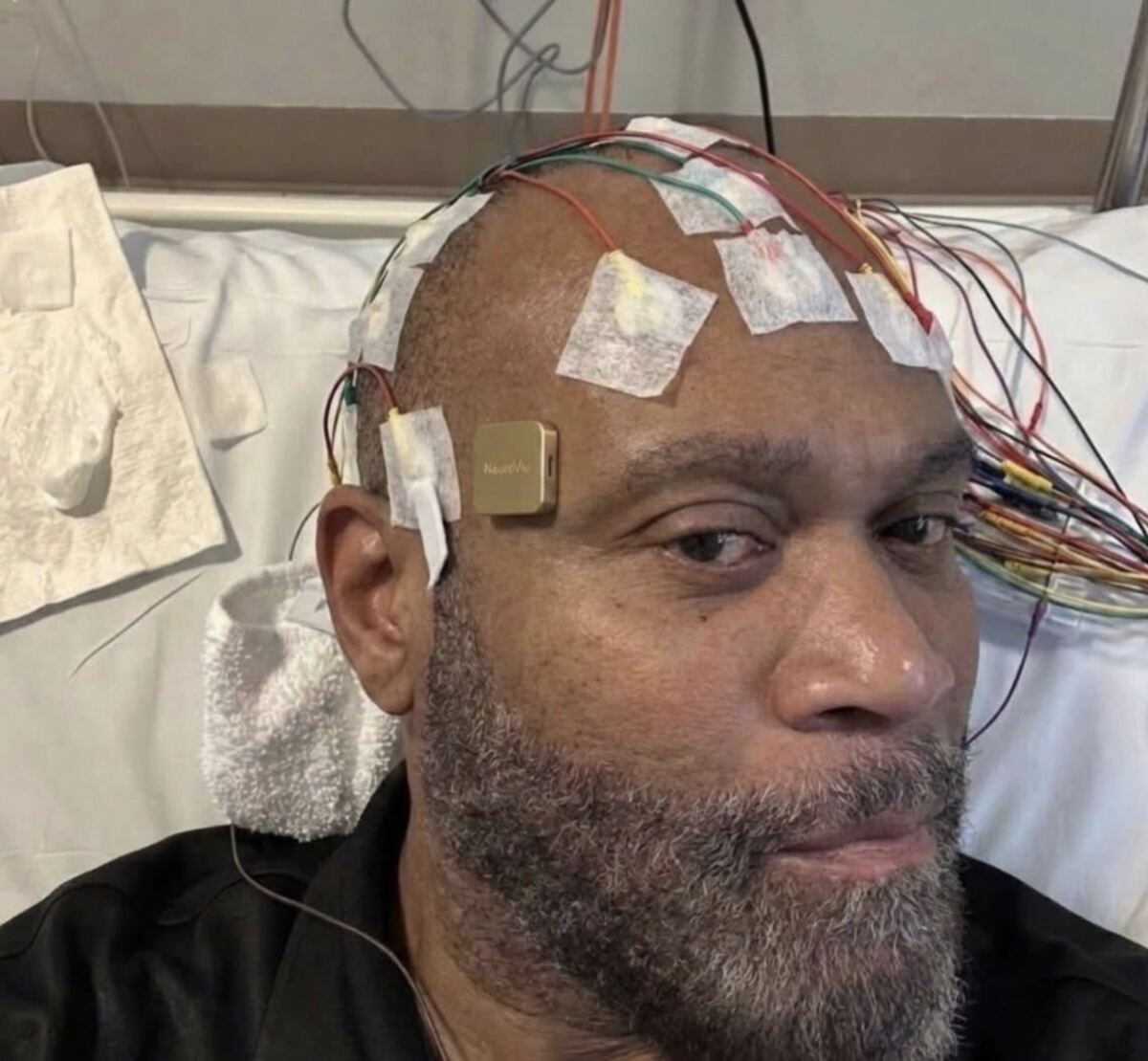
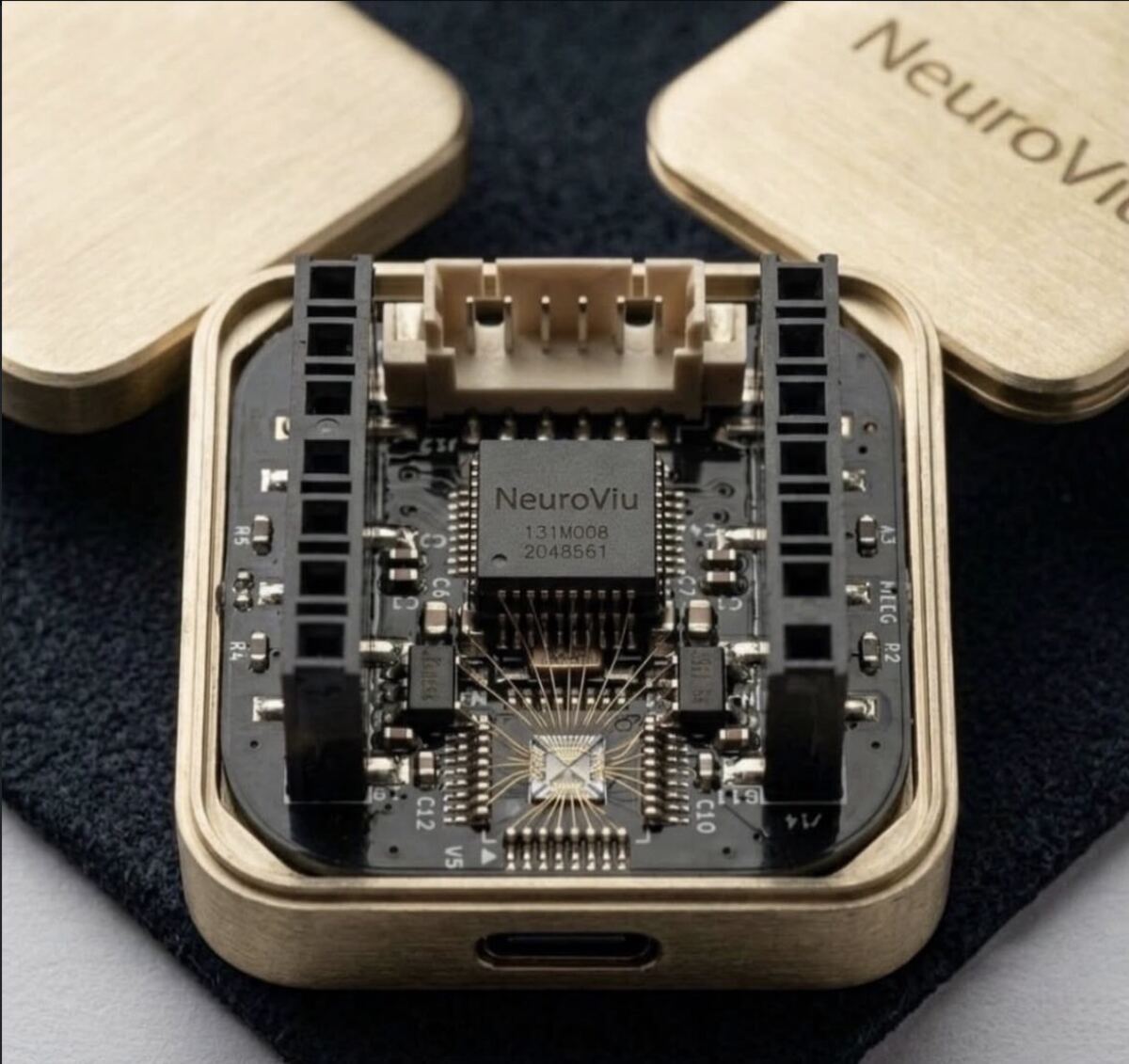
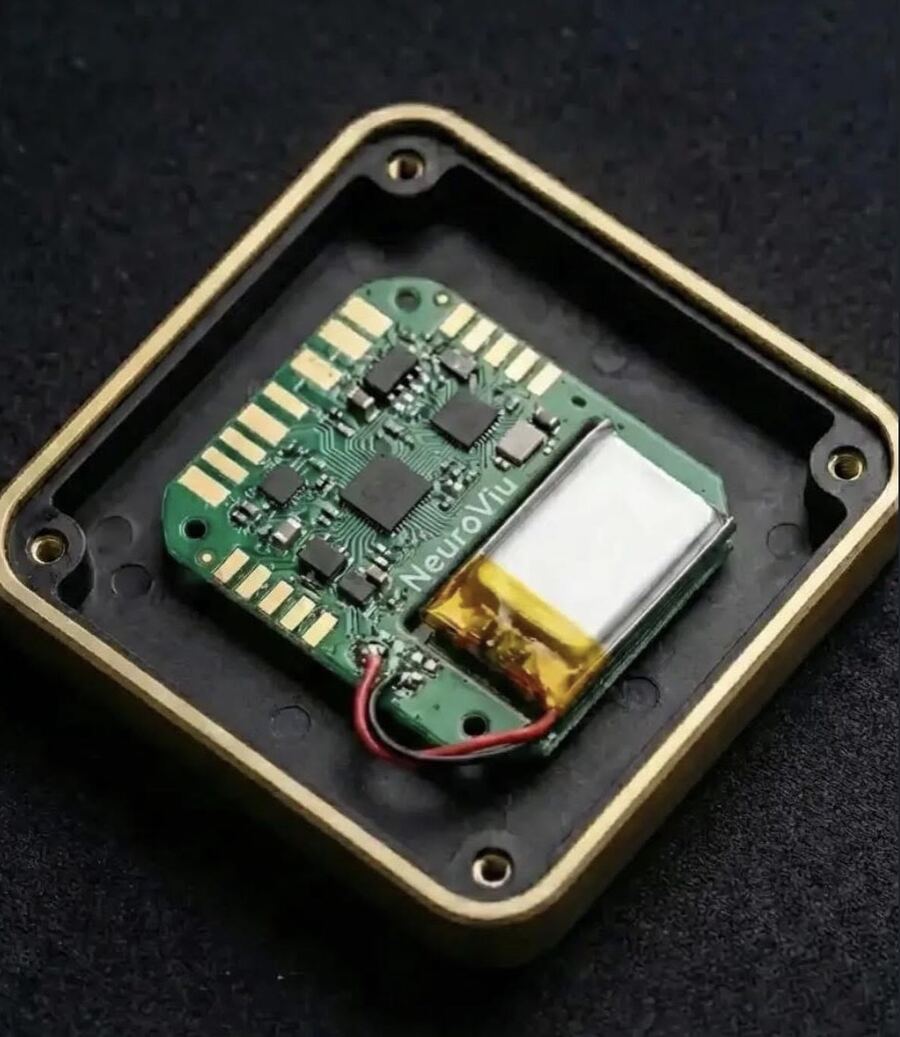
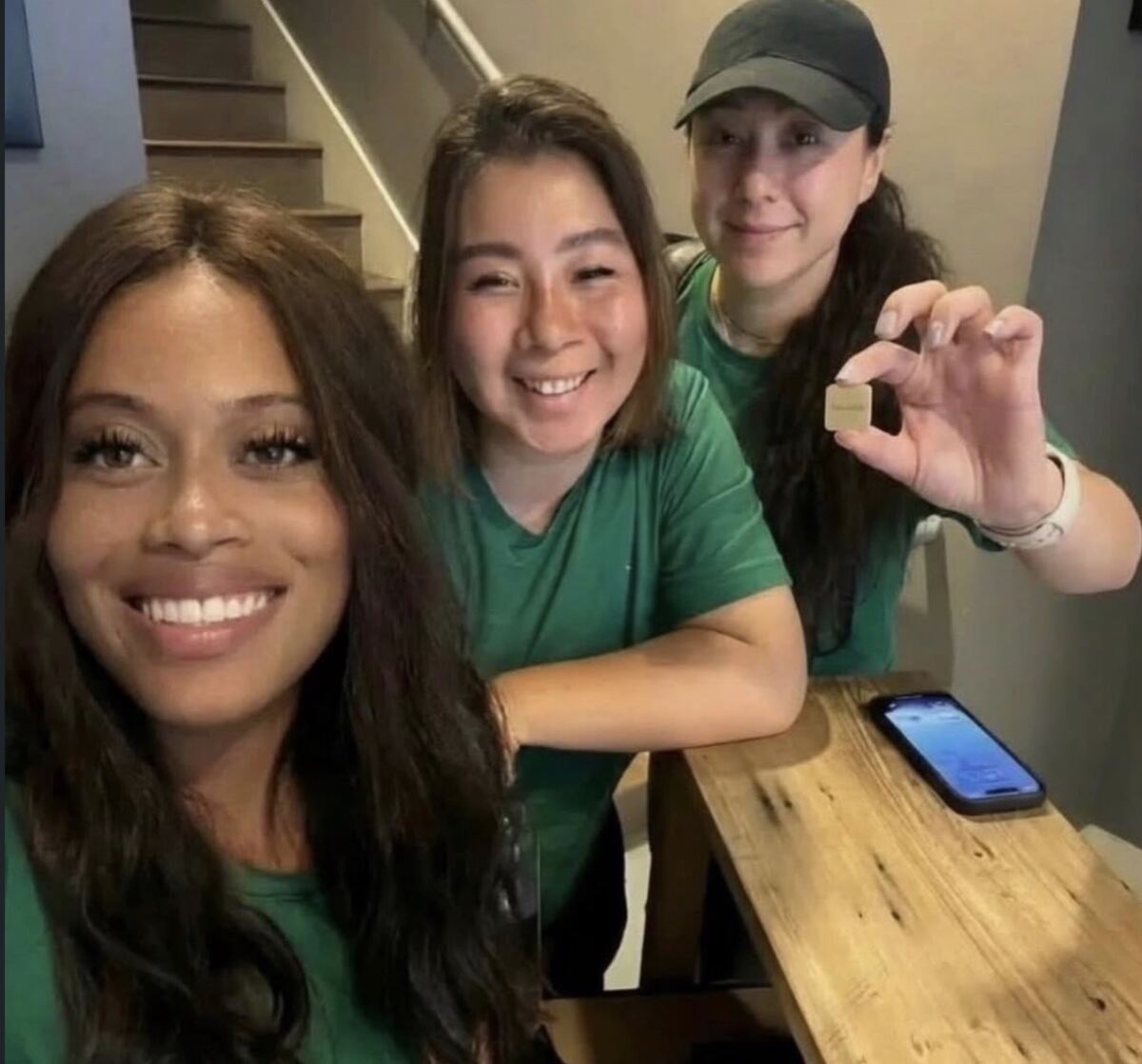
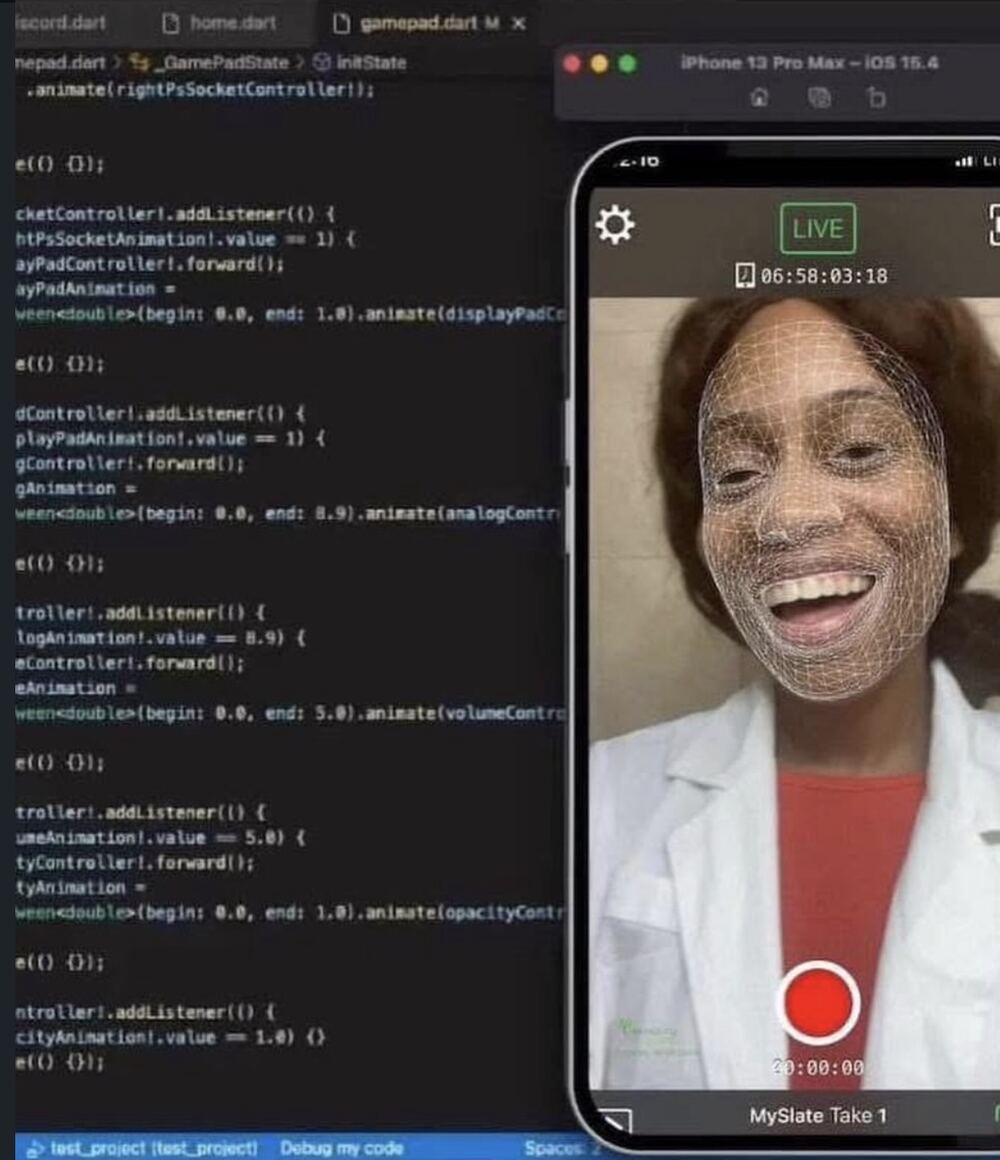
Prototype and concept imagery. Artistic applications remain experimental and non-diagnostic.
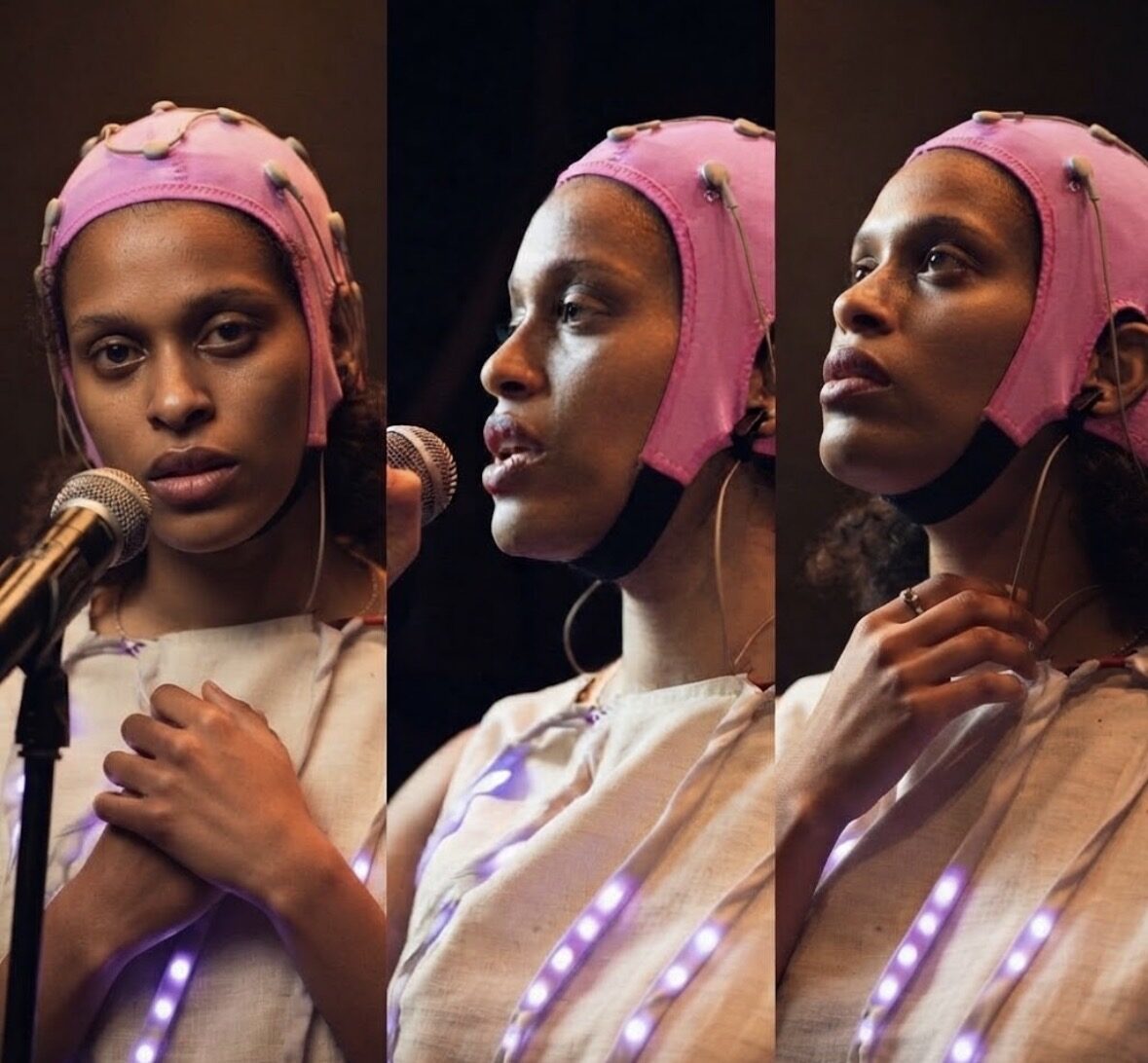
Performance introduces another dimension to the research: embodiment.
Placing sensing technology alongside voice, music, movement, and stage presence raises an artistic question:
What if signals generated during a performance could become another layer of the composition?
The performer, microphone, sensing equipment, costume, sound, and audience can become parts of the same creative environment.
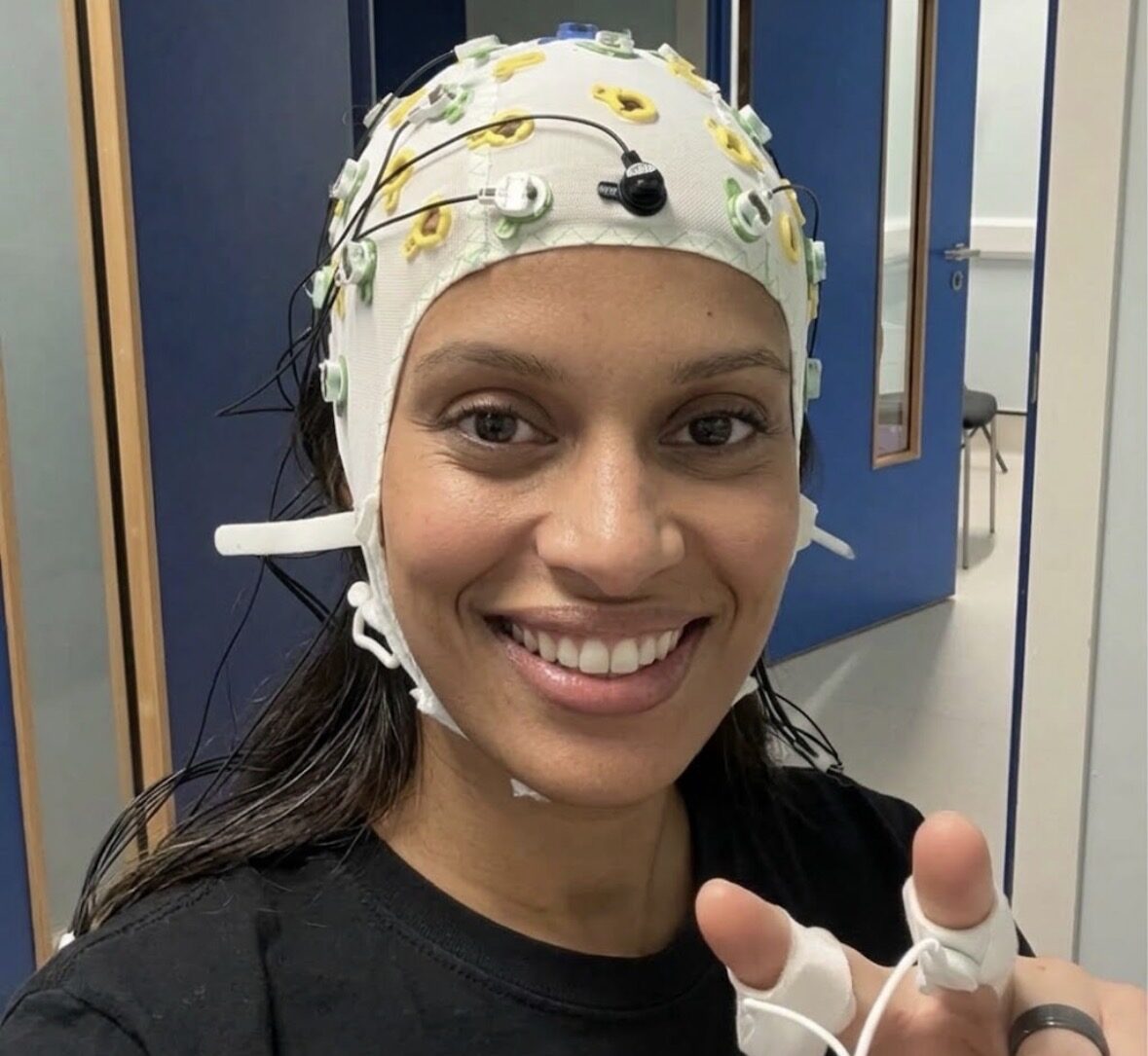
These photographs show EEG sensing worn alongside live performance. They are not presented as documentation of signals controlling the music or performance.
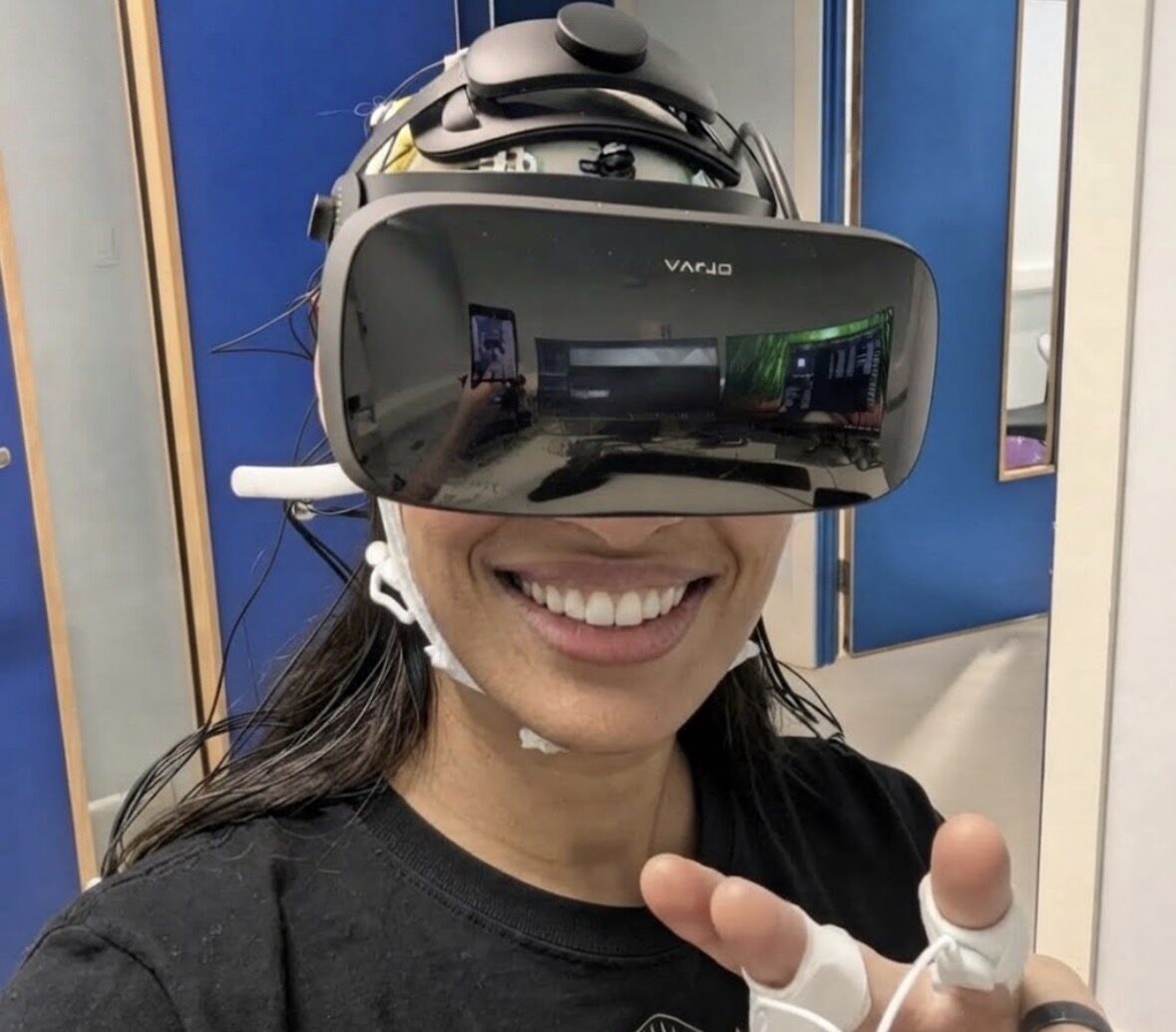
Virtual reality provides a testing space for exploring how responsive environments can change around a participant.
Rather than simply demonstrating that a sensor can trigger an effect, this work asks which relationships between participant and environment actually feel intentional, expressive, and meaningful.
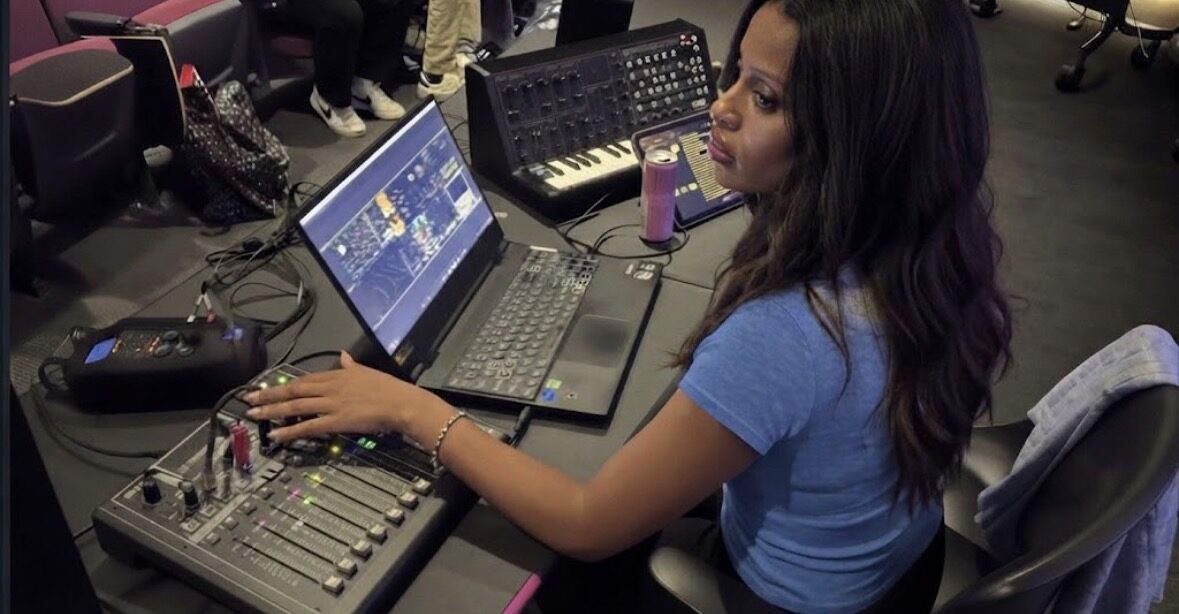
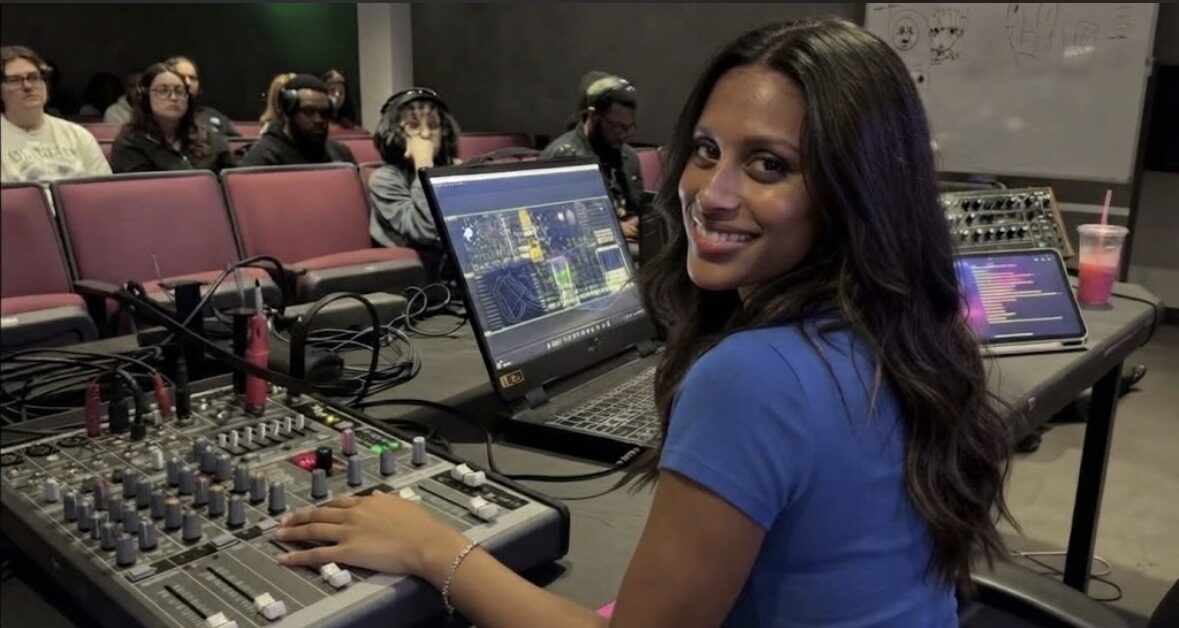
Music production provides a natural environment for signal-to-art experimentation.
Digital instruments, synthesizers, mixers, visual systems, and production software already operate through changing parameters.
NeuroViu explores whether human input can become another source of creative variation within these systems.
EEG and experimental sensing establish the research foundation.
Performance introduces voice, embodiment, music, and audience presence.
Immersive technology creates a space for testing responsive environments.
Music and digital tools provide creative parameters that can be shaped and transformed.
These elements can eventually come together in responsive audiovisual environments influenced by participant presence or interaction.
For the audience, the most important experience is not the hardware or data pipeline. It is the feeling that their presence matters.
NeuroViu becomes an artistic medium when sensing becomes input, data becomes material, mapping becomes composition, and response becomes experience.
Projects, performances, prototypes, and residency proposals from NeuroViu × Aerith Dawn.
A neuroadaptive immersive experience in which music, sound, projected visuals, and light respond to the person experiencing the work.
NeuroViu’s experimental sensing hardware, explored as an interface between participant and environment.
Live performance with EEG sensing worn on stage, exploring embodiment, voice, and signal as parts of one creative environment.
Testing which relationships between participant and virtual environment feel intentional, expressive, and meaningful.
Studio experiments treating human input as another source of creative variation in music and visual systems.
Space reserved for exhibitions, residency outcomes, performances, and writing as they are confirmed.
Note on artistic researchNeuroViu’s artistic work is experimental and non-diagnostic. It does not read thoughts, identify emotions, or provide medical information, and artistic uses of sensing are not clinical applications. Work is labeled as documentation, prototype, ongoing experimentation, or proposed concept so it is never mistaken for a completed installation.