01
Measure
Capture wearable EEG signals.
Wearable EEG and AI-powered neurotechnology for the next generation of brain health research.
NeuroViu combines wearable neural sensing, quantitative EEG, neural connectivity analysis, and artificial intelligence to help researchers investigate traumatic brain injury, cognitive decline, dementia, and Alzheimer’s disease.
Neural sensing you can take to the participant
Spectral, time-frequency, and connectivity measures
Research models over structured neural features
Repeated sessions, studied as a trajectory
Brain changes don’t always happen in a laboratory. NeuroViu is developing wearable technology that can help researchers capture and analyze neural signals across repeated sessions and real-world research environments.
Capture wearable EEG signals.
Transform neural signals into quantitative features and connectivity measures.
Study how brain activity changes over time.
NeuroViu is focused on three interconnected areas of brain health research.
NeuroViu brings neural sensing and computational neuroscience together in a single research-oriented platform.
Every downstream measure depends on the quality of the recording. Preprocessing and quality control sit at the center of the pipeline, not at the edges.
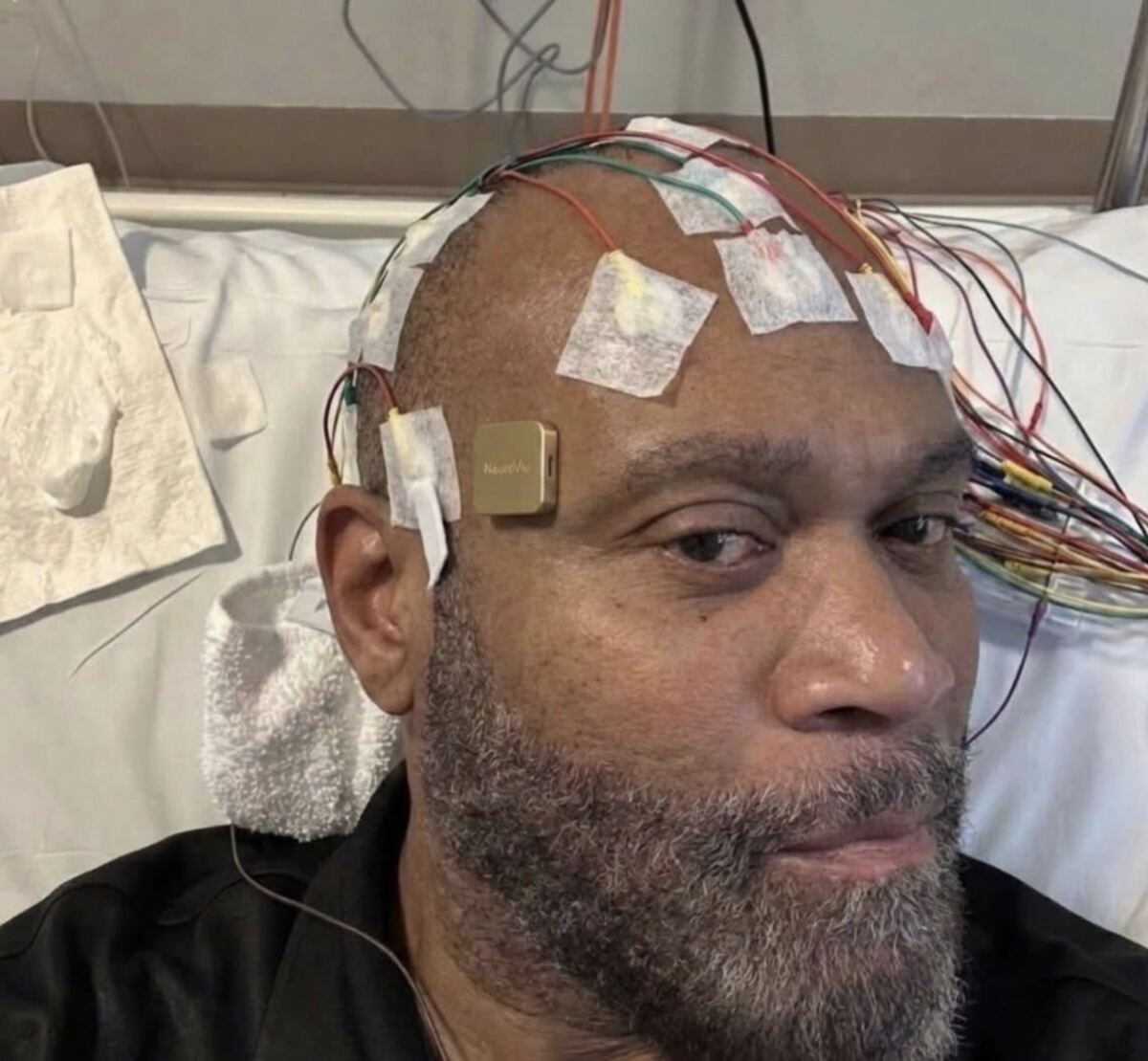
Neural signals captured with a compact wearable device.
Filtering, artifact handling, and signal quality control.
Spectral and time-frequency features derived from the recording.
Relationships between brain regions and neural networks.
Research models for classification, prediction, and representation learning.
Comparison of measures across repeated research sessions.
Wearable EEG designed for research beyond the traditional laboratory.
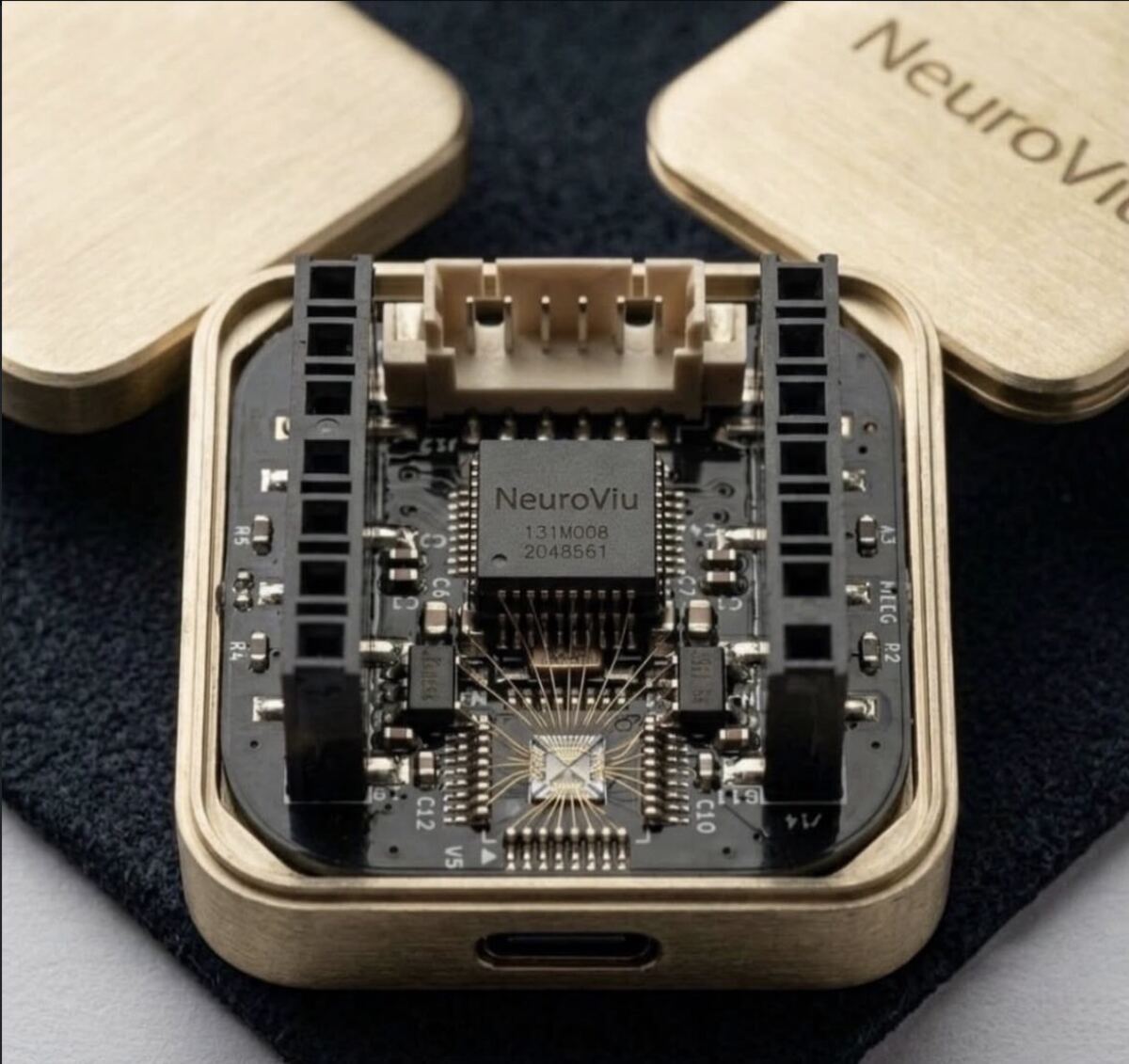
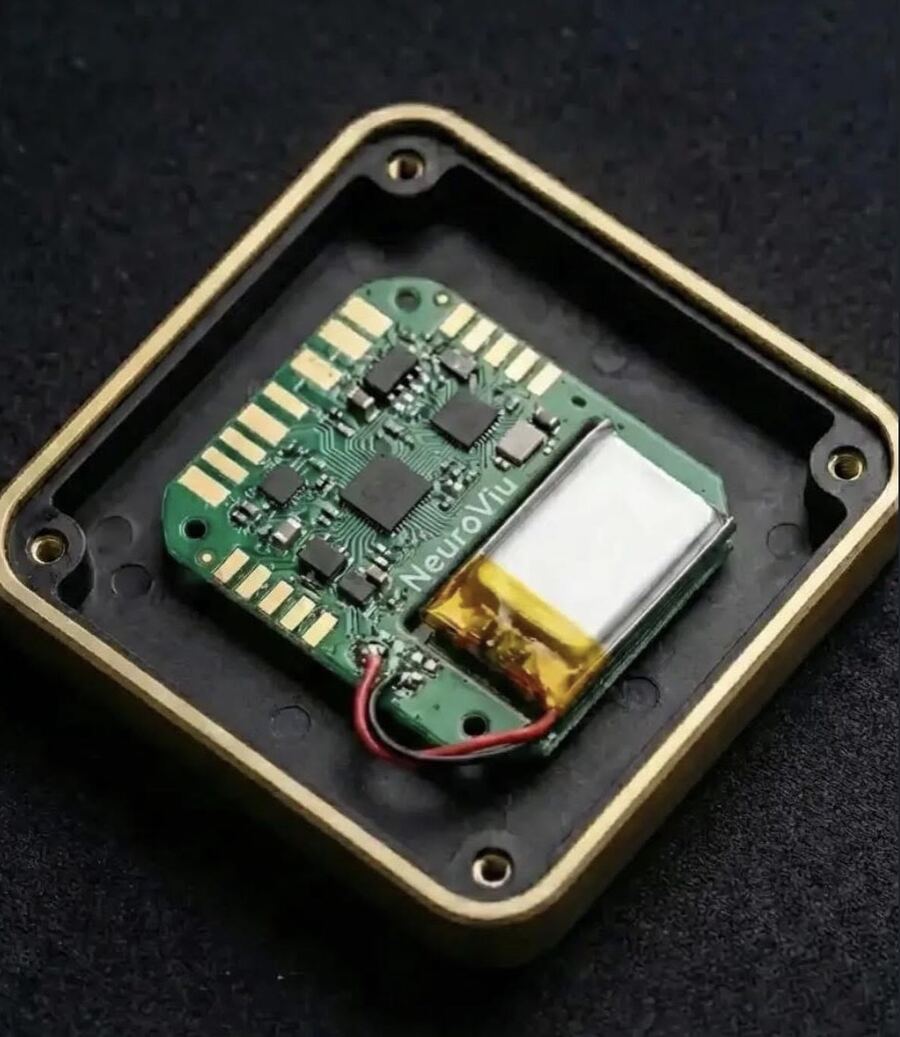
A compact wearable EEG platform designed to capture neural signals in flexible research environments.
Compact form factor designed for flexible data collection.
Captures electrical activity from the brain.
Designed for wireless data transmission.
Built around research workflows and quantitative analysis.
NeuroViu Lite is a research instrument. It is not intended to diagnose, treat, or monitor any disease or medical condition.
Turning neural signals into structured research data.
NeuroViu combines signal processing, quantitative EEG, neural connectivity analysis, and machine learning to help researchers investigate complex patterns in brain activity.
Schematic view of how NeuroViu moves from raw signal to research models. Illustrative, not output from a study.
EEG preprocessing, artifact handling, spectral and time-frequency analysis.
Explore relationships between brain regions and neural networks.
Develop research models for classification, prediction, and representation learning.
Explore which neural features contribute to model outputs.
NeuroViu's research framework can combine EEG-derived measures with MRI and cognitive data to investigate relationships between brain activity, connectivity, structure, and behavior.
Electrical activity over time
Structural context
Behavioral and cognitive measures
Pattern analysis across modalities
A combined view of signal, structure, and behavior for research questions that no single modality answers on its own.
This framework is under development for research purposes. No clinical or diagnostic performance is claimed.
A single measurement provides a snapshot. Longitudinal data can reveal patterns of change. NeuroViu is designed around the idea of studying neural signals across repeated research sessions.
Sessions compared as a trajectory of neural measures.
One workflow from neural signal to analysis.
Research protocol and participant organization.
Wearable EEG data collection.
Signal quality control and preprocessing.
Quantitative EEG and connectivity analysis.
Statistical and machine-learning analysis.
Longitudinal comparison and visualization.
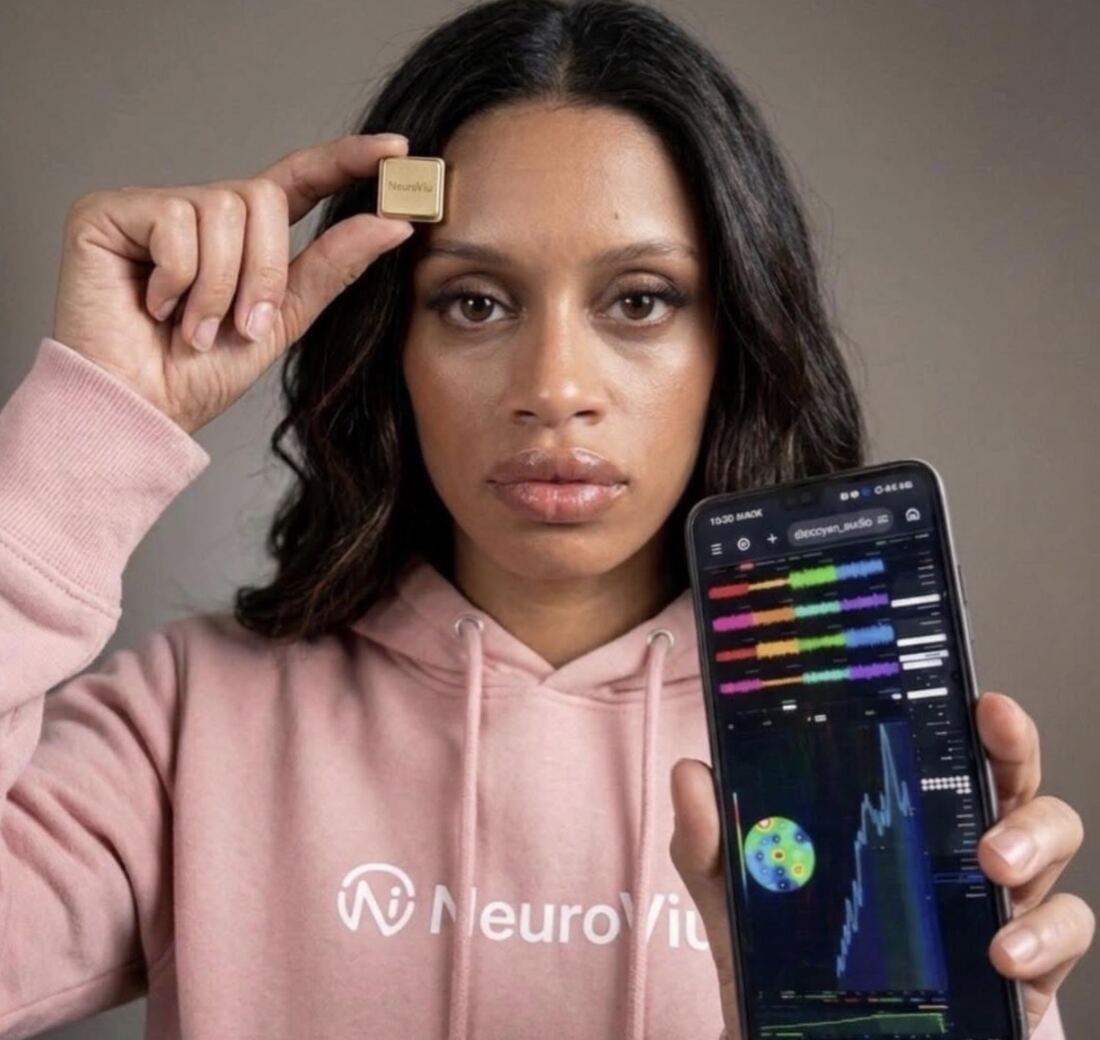
Bring your study to the platform, or bring the platform to your study.
Partner With NeuroViuNeuroViu is designed to support researchers investigating brain injury, cognitive aging, dementia, neurodegeneration, and neural biomarkers.
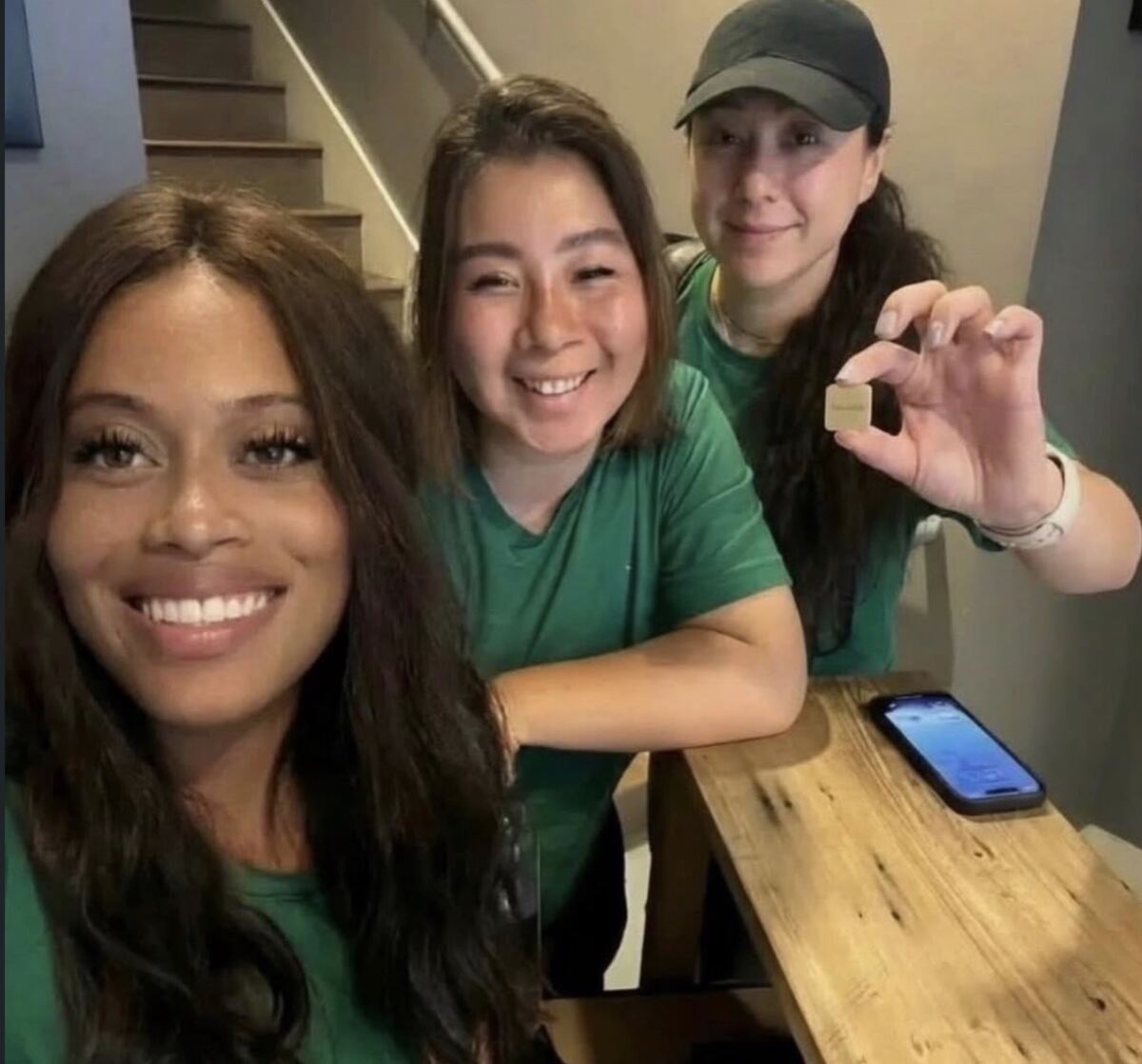
Work in progress, labeled by its real status. Items that have not completed peer review are never presented as though they have.
Surveys quantitative EEG features and machine-learning approaches under investigation for characterizing changes in brain function associated with traumatic brain injury.
Read MoreDescribes signal-processing methods under development for estimating functional connectivity between brain regions from wearable EEG recordings, including artifact handling and channel-reduction tradeoffs.
Read MoreOutlines the signal-processing and system-architecture constraints involved in delivering neural analytics from a wearable, dry-electrode EEG platform outside the traditional laboratory.
Read MorePlaceholder. Studies in these areas are in early development; entries will appear here as work is written up, with its status labeled honestly.
Awaiting write-upNeuroViu grew from a simple question: can wearable technology make it easier to study changes in the brain?
Our work brings together neuroscience, biomedical engineering, wearable neural sensing, EEG analytics, artificial intelligence, and computational approaches to brain connectivity.
We are building tools that give researchers new ways to investigate the brain across injury, aging, and neurodegenerative disease.
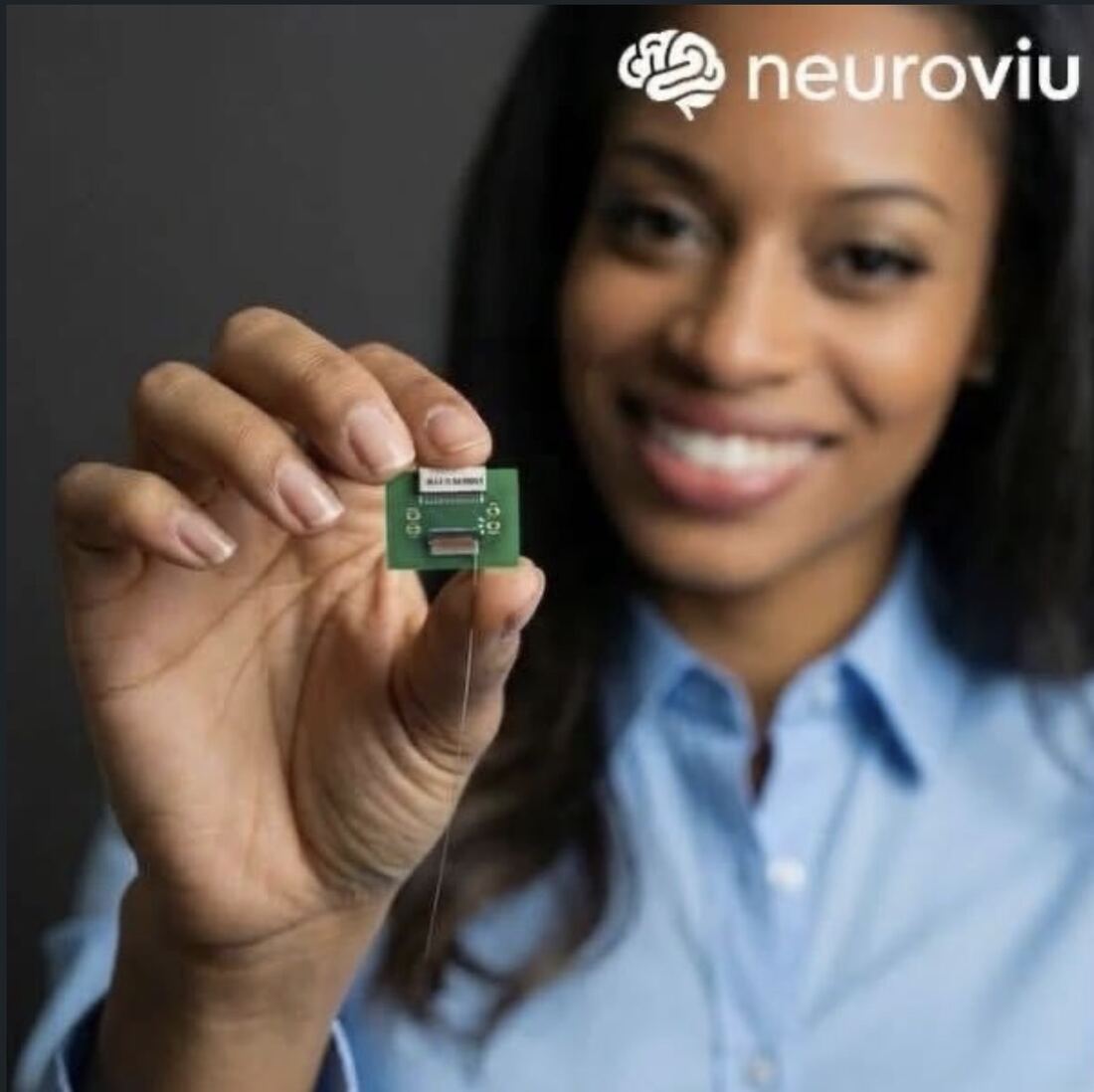
Ashlei founded NeuroViu to close the gap between laboratory-grade EEG research and the settings where brain change actually unfolds — bringing an engineering background in wearable sensing to the design of NeuroViu Lite and the broader analytics platform. Research interests include wearable neural sensing architecture, EEG signal processing, and quantitative analysis of brain connectivity.
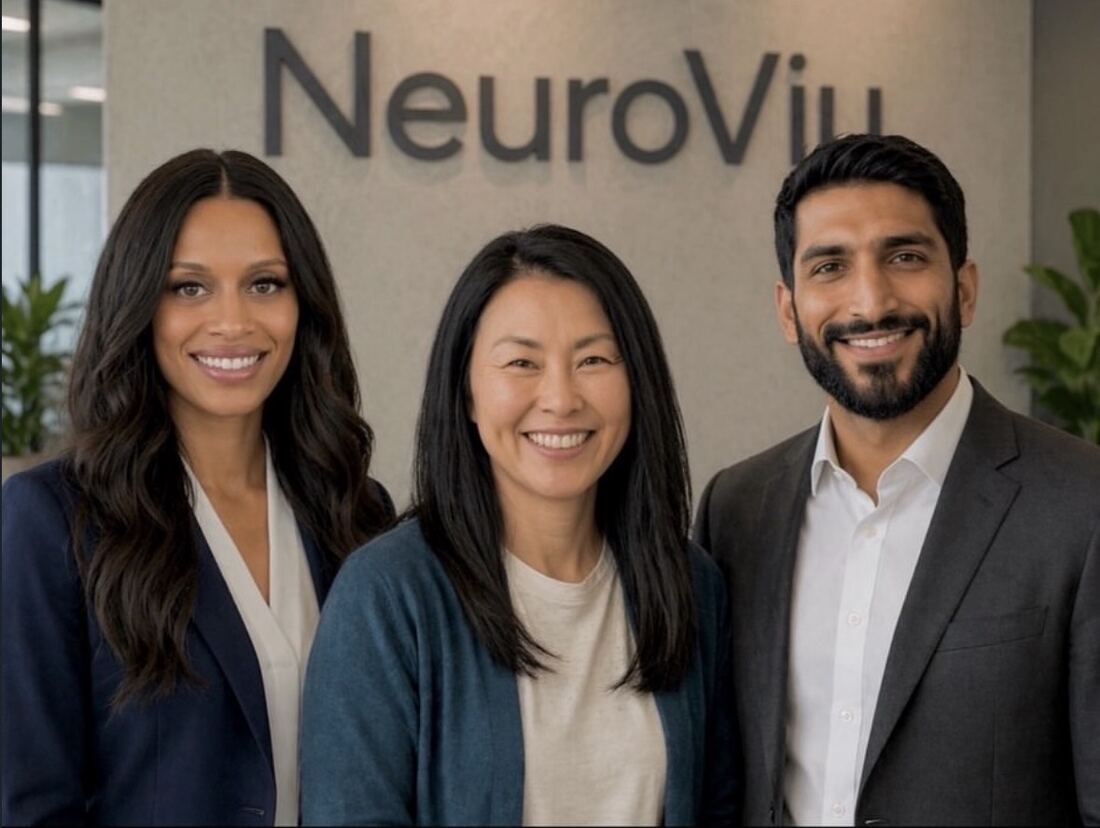
NeuroViu is shaped by the people who build it. Our thanks to Ashlei Lewis, Dr. Alexa Yung, and Dr. Raul Patel for their contributions to this work.
Cognitive science expertise shaping study design and human-subject research protocols.
Wearable hardware, firmware, and signal-acquisition systems design.
Company operations, research budgeting, and partnership logistics.
Scientific communication, research storytelling, and public engagement.
Affiliated researchers across neuroscience, neural signal analysis, and AI.
Beyond NeuroViu: Research, Innovation & Scientific Exploration
Beyond her work developing NeuroViu, Dr. Ashlei Lewis participates in interdisciplinary research, scientific challenges, academic publishing, and emerging technology initiatives spanning neuroscience, artificial intelligence, human performance, brain health, and space-related research.
A women-centered health and wellness conference hosted by NeuroViu, bringing together researchers, practitioners, innovators, and community voices for accessible conversations on brain health, women’s health, health technology, and evidence-informed wellness.
Participation in a research methodology challenge centered on extracting meaningful scientific insight from the exceptionally small Artemis II crew sample. The challenge explores approaches for analyzing multimodal physiological and human-performance data across multiple systems and time points in a four-person deep-space mission context.
Research exploring quantitative EEG, artificial intelligence, neural signal processing, cognitive performance, and accessible approaches to brain-health research.
Peer-reviewed manuscripts, academic book chapters, literature reviews, and other scholarly work spanning wearable neurotechnology, computational neuroscience, AI, and brain health.
Projects examining cognition, attention, workload, fatigue, neurodiversity, and human performance using neuroscience and computational methods.
A flexible category for research challenges, fellowships, collaborative projects, open-science initiatives, and experimental work outside NeuroViu’s primary product-development program.
See NeuroViu’s own publications and research projects, or reach out to discuss academic work and scientific collaboration.
Note on affiliationProjects listed in this section may represent independent research, challenge participation, academic work, or external collaborations involving NeuroViu’s founder. Inclusion does not imply sponsorship, endorsement, partnership, or affiliation between NeuroViu and the organizations named unless explicitly stated.
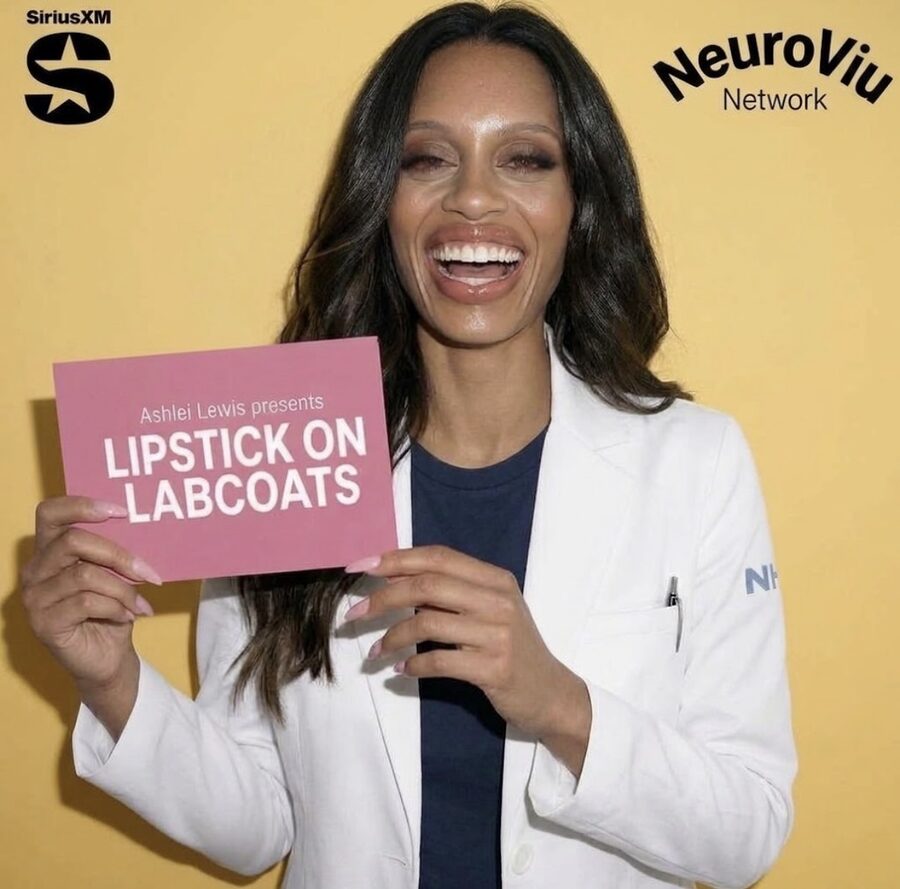
Big Brains. Bold Questions. A Little Lipstick.
Explore science, neuroscience, psychology, philosophy, spirituality, and everyday life through meaningful conversations, humor, and curiosity — hosted by Ashlei Lewis.
NeuroViu is currently a research-oriented neurotechnology platform. NeuroViu products and software are not intended to diagnose, treat, cure, or prevent any disease or medical condition. Research findings should not be interpreted as clinical diagnosis or medical advice.
We’re building tools to help researchers understand how neural signals change across injury, aging, and neurodegeneration.
Tell us about your study. We work with researchers investigating brain injury, cognitive aging, dementia, and neurodegeneration.